

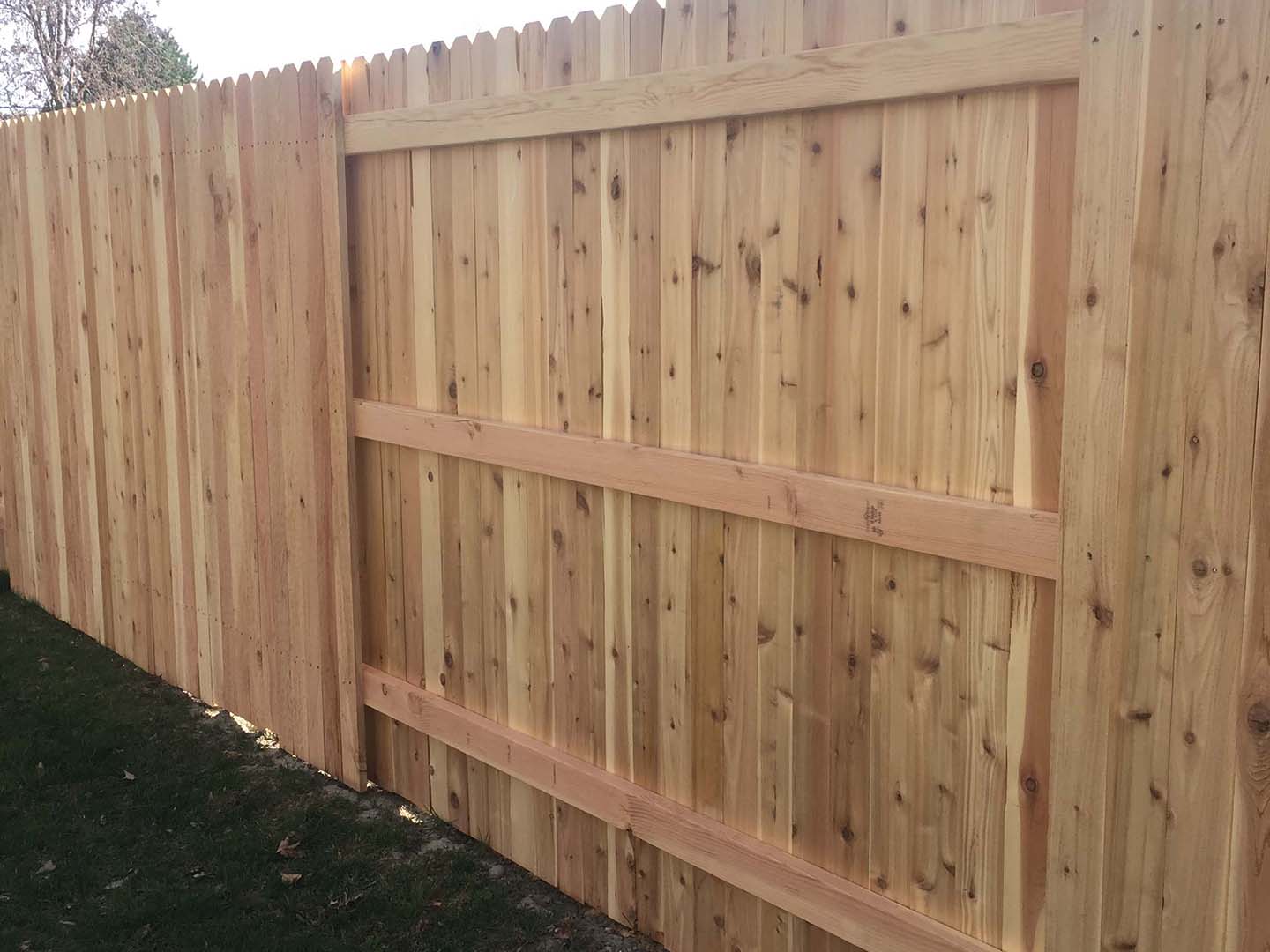
Before adding a Treasure Valley, Idaho residential fence to your property, it’s important to know local rules and regulations. You don’t have state codes to consider; there are also local regulations and homeowner’s association restrictions.
For example, if both neighbors in an adjoining property want to add a fence, who pays for it? How tall can a backyard fence be in Boise? At Anvil Fence Company, we help homeowners like you tackle these questions with confidence thanks to our deep understanding of Idaho fence rules and regulations.
Read our blog to learn about the most important laws you should know before your project.
Fence Laws in Idaho
Title 35 of the Idaho Code governs the construction and removal of fences throughout the state, as well as landowners’ responsibilities. It’s the go-to reference for anyone facing a conflict about fence height, placement, materials, or design.
This section of Idaho law also defines what qualifies as a legal fence, which can be especially important in rural and agricultural areas where fencing is used for livestock control, not just property boundaries. A fence that looks acceptable may still fail to meet legal standards if it does not follow these requirements.
Legal Fence Definitions in Idaho
Title 35 outlines what qualifies as a “legal fence” under Idaho law. These definitions focus on construction standards such as height, spacing, and materials, particularly in agricultural and rural settings. If a fence does not meet these standards, it may not be recognized in boundary or livestock-related disputes, even if it appears structurally sound.
Shared Fence and Boundary Responsibilities
Idaho law addresses situations where a fence sits on or near a property line. In many cases, adjoining landowners share responsibility for the construction and maintenance of boundary fences, including a Treasure Valley, Idaho privacy fence. This becomes especially important when replacing an old fence or resolving disagreements about repairs or upgrades.
Livestock Containment Requirements
In areas where livestock are present, Title 35 places greater emphasis on fencing capable of containing animals. Property owners may be held responsible if inadequate fencing allows livestock to escape or causes damage to neighboring land. This makes proper agricultural fence design and installation critical in rural parts of Idaho.
Local Zoning and Municipal Fence Rules
While Title 35 sets statewide standards, cities and counties can impose additional rules. These often include height restrictions, setback requirements, and visibility rules for front yards or corner lots. HOAs may also have design or material restrictions that go beyond state law.
As the property owner, you must check with your HOA before installing a fence to ensure it meets code requirements. Working with an expert Idaho fence company will also ensure your fence is built in accordance with local code.
Why Compliance Matters
Installing a fence that complies with both state and local regulations helps prevent disputes, fines, and costly modifications, including removing or relocating a fence.
Our experienced team has served Idaho homeowners since 1961. We ensure your fence meets local requirements while still fitting your style and property.
Get the Type of Fence You Don’t Have to Question
Whether it’s a new Treasure Valley, Idaho privacy fence or boundary fencing around your whole property, Anvil Fence is here to help. Our experts can install the perfect system that meets your budget and unique property needs.
Explore your options for a Treasure Valley, Idaho residential fence. Ready to reach out? Get a free quote from a pro by sending us a message or calling (208) 375-6767.